In Christopher Nolan’s The Odyssey, Odysseus faces years of storms, obstacles, and unexpected turns on his journey home.
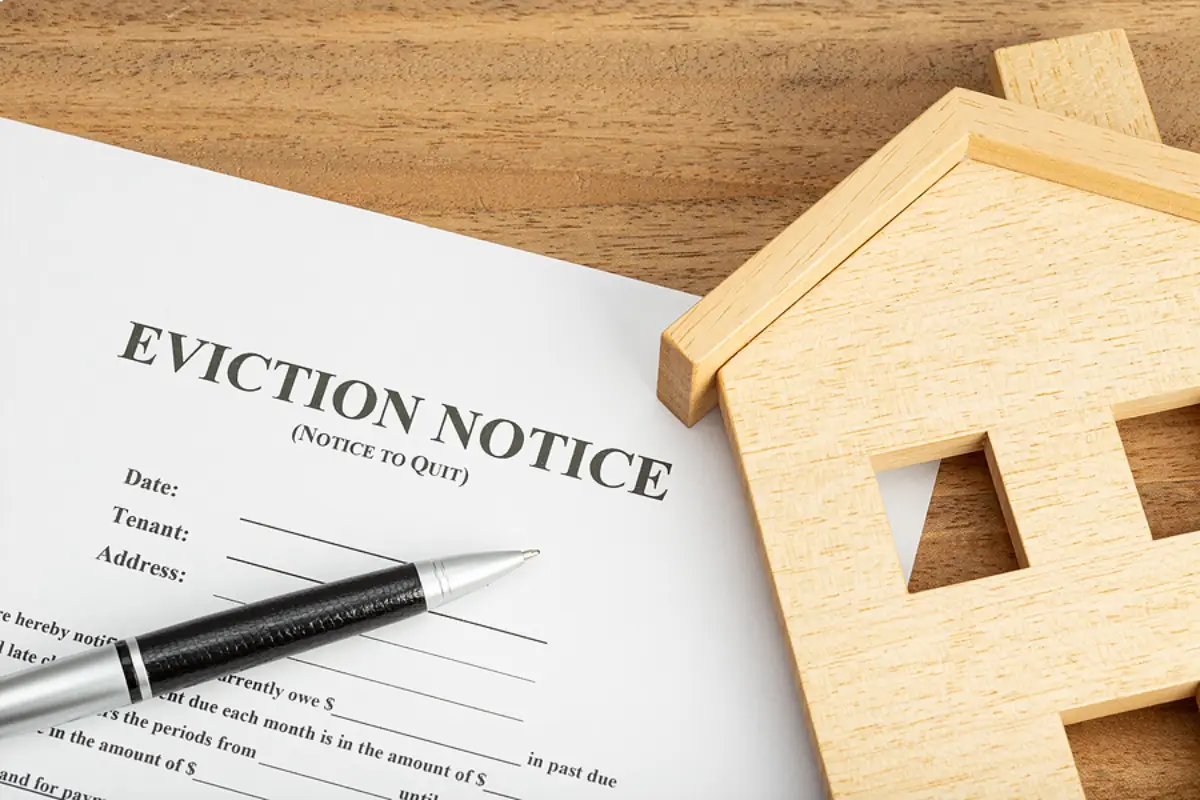
For you as a Florida landlord, an eviction can feel like its own odyssey, beginning with a tenant who stops paying rent and unfolding into notices, lease violations, court schedules, legal requirements, and the uncertain journey toward reclaiming your property.
The challenge is not simply getting through the eviction, but avoiding the wrong turns that can make it longer and more expensive. An improper notice, missed deadline, incomplete documentation, or poorly handled dispute can turn lost rent into legal costs and additional financial risk, which is why professional eviction management matters.
As you move through this article, you will learn how the right systems and professional property managers can help you navigate Florida law, protect your rental income, and stay focused on your investment, so your journey does not become an endless odyssey of landlord headaches.
Key Takeaways
Florida law requires you to follow specific notice requirements and strict timelines, so professional property managers can help reduce legal risk and costly mistakes.
Thorough tenant screening, lease compliance, proper documentation, and rent collection can strengthen eviction prevention before a tenant violation becomes a larger dispute.
Professional property management gives you coordinated support through notices, legal action, court schedules, and post-eviction recovery while helping protect your rental income and peace of mind.
How Florida Law Shapes the Eviction Process for Property Owners
When you manage a rental yourself, it is easy to treat an eviction as a simple matter of asking a tenant to leave, but Florida law requires a specific legal process. Under Florida Statutes Chapter 83, different lease violations and nonpayment situations can trigger different notice requirements, and an improper notice can create unnecessary legal challenges.
You also need to understand that Florida's landlord-tenant laws distinguish between nonpayment of rent and other forms of noncompliance, such as unauthorized occupants, property damage, or repeated lease violations. Following the correct procedure protects your legal rights while reducing the chance that a tenant contests the action or raises defenses that delay possession.
What Does the Day Notice to Cure Mean for Lease Violations?
A day notice to cure can become relevant when a tenant violates terms that Florida law allows them an opportunity to correct, while other violations may involve different notice requirements. For example, Florida Statutes §83.56 provides for a 7-day cure notice for certain curable noncompliance, while nonpayment of rent generally involves a 3-day written demand excluding Saturdays, Sundays, and court-observed legal holidays.
If you send improper notices, calculate deadlines incorrectly, or overlook how the lease agreements and Florida statutes apply, you can create avoidable legal risk.
A professional property management workflow helps you identify the issue, preserve detailed records, provide proper notice, and coordinate with legal professionals when legal guidance or immediate legal action becomes necessary.
How Thorough Tenant Screening and Lease Compliance Reduce Eviction Risk
Eviction prevention starts before your tenant receives the keys. Thorough tenant screening gives you an opportunity to evaluate rental history and other lawful screening criteria consistently, helping you identify reliable tenants while reducing the likelihood of future payment problems, lease violations, or fair housing complaints.
McWright Property Management states that it conducts extensive tenant screening as part of its Florida property management services.
Your screening process should be consistent for every applicant, because selective standards can create fair housing concerns and potential liability claims. A documented process can help you evaluate applicants objectively while giving you a stronger foundation for lease enforcement once the tenant occupies the rental unit.
Strong lease compliance then keeps that foundation intact throughout the tenancy. Your lease agreements should clearly establish rent due dates, permitted occupants, property conditions, maintenance responsibilities, lease terms, and consequences for violations, giving you a clearer framework when a tenant violates terms or requests lease renewals.
How a Property Management Company Reduces Your Legal and Financial Risk
Managing rent collection, maintenance, inspections, tenant communication, lease enforcement, and eviction procedures simultaneously can turn your rental business into a second job.
A property management company gives you an experienced team that can coordinate these responsibilities through repeatable workflows, allowing you to focus on rental property ownership and portfolio growth rather than chasing every problem yourself.
A professional property management system can help you:
Track rent collection and identify payment issues earlier.
Coordinate maintenance and monitor property conditions.
Maintain consistent communication and lease enforcement.
Keep detailed records for potential legal disputes.
Coordinate with legal professionals when an eviction moves into formal legal action.
Why Proper Documentation Matters When a Tenant Dispute Escalates
Proper documentation can become your strongest operational safeguard when a tenant contests an eviction or raises legal claims. Records of written notice, rent payments, communications, inspections, property damage, maintenance requests, and lease violations help establish what happened and when.
You can reduce confusion by maintaining:
Signed lease agreements and amendments.
Payment histories and rent collection records.
Inspection reports and photographs.
Copies of notices and delivery records.
Written communication concerning violations or disputes.
This matters because Florida law emphasizes written notices and prescribed procedures, and tenants may have defenses in possession actions. With proper documentation, you and your legal professionals have a clearer record to evaluate before proceeding.
How Eviction Protection Helps You Manage Legal and Financial Risk
Eviction protection is more than reacting after a tenant stops paying rent. It combines eviction prevention, tenant screening, lease compliance, rent collection, documentation, and timely coordination so you can address problems before they become prolonged financial losses.
The financial impact can extend beyond lost rent. A delayed eviction may also contribute to vacancy, property damage, legal costs, turnover expenses, and additional pressure on your rental income, particularly when your rental property needs repairs before you can place another tenant.
Professional property managers can also help you avoid the temptation to take shortcuts. Your goal should not be immediate possession at any cost; it should be lawful possession through the correct legal process, with careful attention to notices, court schedules, legal holidays, and applicable Florida law.
What Happens When an Eviction Reaches a Writ of Possession?
A writ of possession is not the starting point of an eviction. Under Florida Statutes §83.62, after a judgment in favor of the landlord, the clerk issues the writ to the sheriff, who can restore possession after the required notice is posted.
Understanding this distinction can prevent costly mistakes, because you cannot simply change the locks or remove a tenant because you believe the lease has ended.
A professional team can coordinate the property-management side of the process while qualified legal professionals provide legal guidance when the circumstances require it.
Frequently Asked Questions
Q1. What should you do when a tenant fails to pay rent under Florida eviction law?
Follow the required notice and legal compliance procedures before taking legal action. Proper legal knowledge can help you avoid unnecessary legal fees.
Q2. How can property management reduce lost rental income during an eviction?
Professional property managers can address payment issues early and coordinate the eviction process, helping reduce vacancy and the financial burden of lost rent.
Q3. Why should landlords follow a property management blog for eviction advice?
A reliable property management blog can help landlords focus on their investment while learning about legal compliance, rental market changes, and best practices for managing rental properties.
Q4. Why should many landlords in Central Florida and Southwest Florida prioritize reasonable notice?
Many landlords can reduce legal risk by following reasonable notice requirements and keeping proper records. Local property managers can help you navigate Florida's rental market while staying compliant.
When the Storm Comes, Let Your Property Management Team Hold the Umbrella
At McWright Property Management, we believe your rental property should create opportunity, not become a constant source of financial risk and legal stress.
We provide professional property management built around tenant screening, rent collection, maintenance, marketing, financial reporting, and eviction support, giving you a coordinated system for protecting your rental business.
We also offer an eviction guarantee for qualifying screened tenants, an on-time rent guarantee, leasing support, and other owner-focused protections designed to give you greater peace of mind.
If you are ready to spend less time worrying about legal challenges and more time growing your investment, reach out to our experienced team and let us help you manage your Florida rental property with confidence.
Other Resources:
10 Questions Every Florida Landlord Should Ask Before Hiring a Property Manager
Geo-Targeting Rental Ads in Duval County: How Landlords Can Attract Tenants from High-Demand Areas
