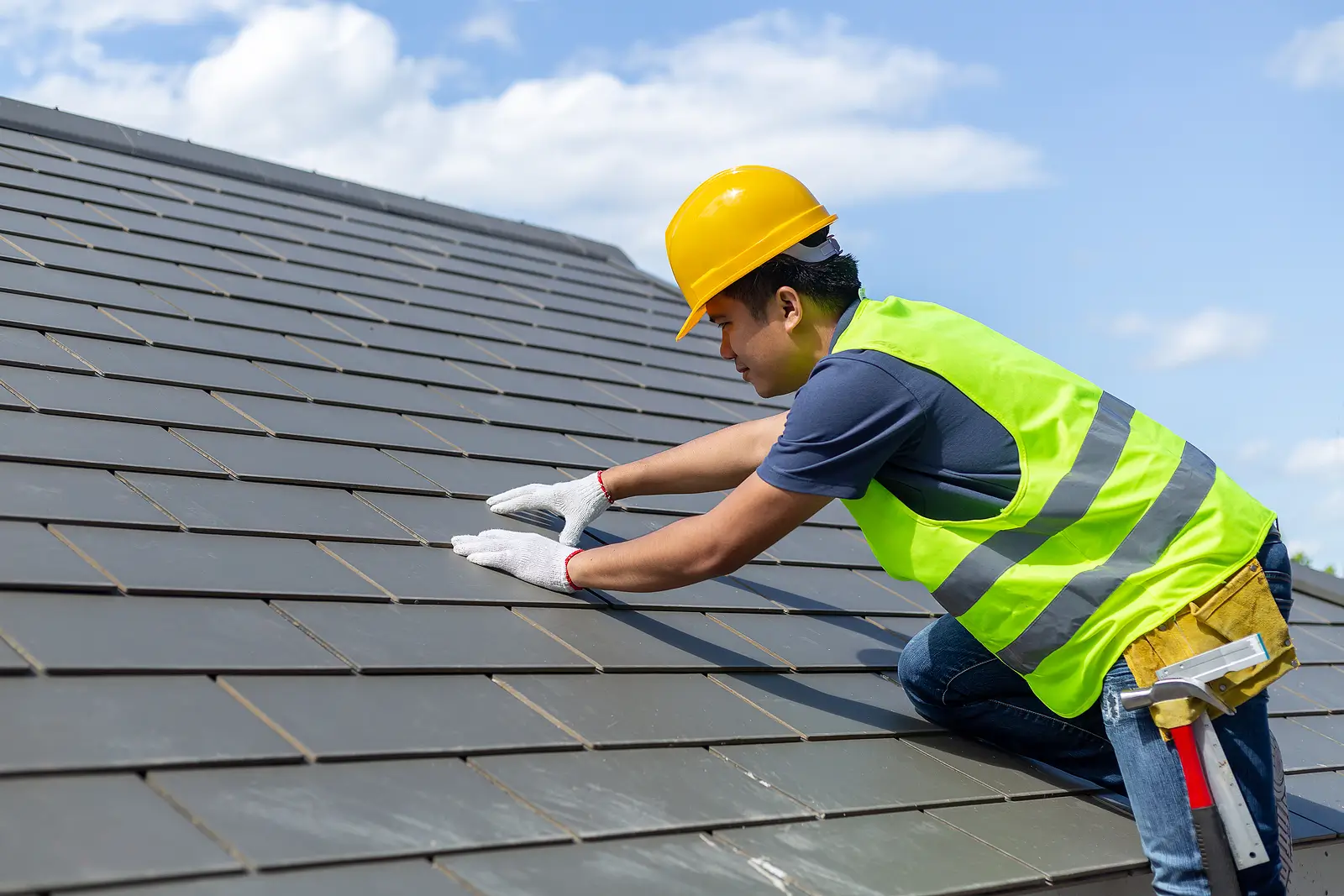
Property maintenance in 2026 is having its own glow-up.
What used to be a reactive chore has officially entered its “systems era.” Renters expect fast responses, regulators expect compliance, and as a landlord, your budget expects fewer surprises.
If maintenance still feels like a series of emergencies instead of a plan, the year ahead will feel longer than it needs to.
The truth is simple: how you handle maintenance in 2026 will determine whether your rental runs smoothly or constantly pulls your attention away from everything else.
This blog outlines proven property maintenance strategies that preserve value, minimize risk, and keep your rental running smoothly throughout the year.
Key Takeaways
Preventive maintenance in 2026 costs less than reactive repairs.
Maintenance planning has a direct impact on compliance, liability, and tenant retention.
Structured systems consistently outperform last-minute fixes.
Why Property Maintenance Matters More in 2026
You operate in a rental environment where minor issues escalate quickly. Rising labor costs, stricter safety standards, and higher tenant expectations all magnify the impact of delayed maintenance.
When you treat maintenance as a strategic priority, you reduce risk, stabilize expenses, and protect your investment in the long term.
The Shift From Reactive to Preventive Maintenance
Reactive maintenance waits for problems to appear. Preventive maintenance works to ensure they never do. In 2026, this distinction matters more than ever, as emergency repairs now come with higher labor costs, longer wait times, and greater inconvenience for everyone involved.
Preventive maintenance focuses on scheduled inspections, routine servicing, and early intervention. Small plumbing leaks, aging HVAC components, and minor electrical issues are far less costly when addressed early. By committing to a preventive approach, you reduce the likelihood of emergencies, stabilize repair costs, and keep your property functioning without constant interruption.
Tenant Expectations Are Driving Maintenance Standards
Tenant expectations have evolved significantly. Fast responses and well-maintained living conditions are no longer viewed as bonuses. They are the baseline. Delayed repairs or recurring issues quickly erode trust and increase complaints.
Meeting maintenance expectations consistently leads to smoother communication and longer tenancies. When tenants feel heard and supported, they are more likely to renew their leases and take care of the property. Maintenance responsiveness has become one of the strongest influences on tenant satisfaction in 2026.
Maintenance Is Now a Compliance Issue
Maintenance today is directly tied to legal and regulatory compliance. Habitability standards, safety requirements, and local building codes are actively enforced in many markets. Failing to address maintenance issues can lead to violations, penalties, or disputes.
Proactive maintenance helps you stay aligned with evolving regulations. Regular checks on smoke detectors, structural integrity, plumbing systems, and electrical components reduce exposure to compliance risks. In 2026, maintenance is as much about protection as it is about preservation.
Preventive Maintenance Protects Property Value
Deferred maintenance often does not show immediate damage, but its long-term impact can be significant. Minor issues accumulate quietly, leading to structural wear, moisture damage, and system failures that reduce overall property value.
Preventive care preserves both appearance and function. Properties that receive consistent maintenance maintain stronger resale appeal and command better pricing over time. Protecting value is not about occasional repairs. It is about ongoing attention to detail.
Budgeting for Maintenance in 2026 Requires Planning
Unplanned maintenance disrupts cash flow and creates financial stress. Emergency repairs often cost more and offer fewer options. Predictable maintenance expenses enable more innovative budgeting and more accurate financial forecasting.
By allocating funds for routine maintenance, you avoid large, unexpected expenditures. Planning transforms maintenance from a financial surprise into a controlled operational expense. In 2026, budgeting without maintenance planning can lead to instability.
Seasonal Maintenance Still Matters
Seasonal shifts continue to affect building systems in meaningful ways. Temperature changes stress HVAC systems, heavy rain tests roofing and drainage, and colder months strain plumbing infrastructure.
Seasonal maintenance checklists help you prepare for potential issues before they arise. Inspecting systems at the right time reduces emergency calls and protects major components. Ignoring seasonal timing often leads to preventable failures.
Vendor Relationships Save Time and Money
Reliable vendors are a critical part of effective maintenance management. Established relationships lead to faster response times, better artistry, and more consistent pricing.
Constantly searching for contractors wastes time and increases risk. Trusted vendors understand your property standards and expectations. Strong relationships improve efficiency and reduce the friction that often accompanies repairs.
Documentation Supports Maintenance and Compliance
Maintenance records serve as proof of diligence and responsibility. Documentation protects you during inspections, disputes, and insurance claims by demonstrating consistent care and attention to detail.
Clear records also improve decision-making. Repair histories help identify recurring issues and guide replacement planning. In 2026, organized documentation is not optional. It is a core operational tool.
Technology Is Reshaping Maintenance Management
Digital maintenance platforms have changed how maintenance is tracked and managed. Online request systems, automated scheduling, and centralized records improve visibility and response times.
Technology reduces missed tasks and communication gaps. When maintenance processes are streamlined, issues are resolved faster and with fewer errors. Modern tools bring structure to what would otherwise be a complex workflow.
Emergency Maintenance Still Requires Structure
Even with preventive planning, emergencies can still occur. What matters is how prepared you are to respond. Clear protocols reduce damage and limit downtime when urgent issues arise.
Emergency plans should include vendor contacts, response timelines, and clear communication procedures. Structure ensures swift action and minimizes disruption during high-stress situations.
Maintenance Directly Affects Tenant Retention
Maintenance quality has a significant impact on whether tenants stay or leave. Well-maintained properties create confidence and comfort. Poor maintenance drives turnover.
Retention saves money by reducing vacancy periods, marketing costs, and leasing efforts. Consistent maintenance supports stable occupancy and long-term performance.
A Practical 2026 Maintenance Checklist
Effective maintenance relies on consistency rather than complexity. Core practices maintain stable and predictable operations.
Routine inspections identify issues early. Documented repair histories provide clarity. Clear response timelines manage expectations. These fundamentals prevent chaos and support long-term success.
Insurance and Liability Are Tied to Maintenance
Insurance providers expect reasonable upkeep. Neglect can weaken coverage or complicate claims. Maintenance diligence demonstrates responsibility and reduces liability exposure.
Well-maintained properties experience fewer incidents and stronger protection during claims. Maintenance is a key part of risk management.
Time Management Improves With Systems
Without systems, maintenance demands constant attention. With systems, it operates quietly in the background.
Structured workflows free up time and mental space. Efficiency allows you to focus on growth rather than constant repairs.
FAQ
Q1. How often should preventive maintenance inspections be scheduled in 2026?
Most properties benefit from quarterly inspections, with additional seasonal checks to address weather-related risks and system strain that may have occurred during the past season.
Q2. What maintenance tasks create the highest liability if ignored?
Issues involving electrical systems, plumbing leaks, structural integrity, smoke detectors, and habitability standards carry the highest compliance and liability risks when neglected in the past.
Q3. Can strong maintenance systems really reduce tenant turnover?
Yes. Consistent, well-documented maintenance improves tenant satisfaction, builds trust, and significantly increases lease renewals while reducing vacancy-related costs.
Professional Oversight Reduces Maintenance Stress
Professional oversight adds structure to maintenance management. Coordinating vendors, scheduling inspections, and tracking compliance becomes more manageable.
Oversight reduces guesswork and improves consistency.
McWright Property Management provides full-service property management, overseeing maintenance coordination, inspections, vendor relationships, and compliance tracking to deliver clarity and stability in an increasingly complex maintenance landscape.
Other Resources:
Top Online Advertising Tips to Market Your Jacksonville Rental Property
